Replanting Mangroves
South America
•
5m 47s
Mangroves are one of the most effective natural carbon sinks on earth, storing up to four times more carbon per hectare than rainforests. They are also rich in biodiversity and mitigate some of the most catastrophic local effects of climate change; particularly flooding and coastal erosion. Despite all this, mangroves are among the most threatened ecosystems on earth.
Osa Conservation has been working on the Térraba Sierpe National Wetland in Costa Rica for the last five years, restoring 50 hectares of mangroves in partnership with the local community, who not only share in the broader global benefits of carbon sequestration, but have also seen the economic benefit in an increased mollusc harvest, improved coastal protection and the protection of a beautiful and much-loved ecosystem.
Up Next in South America
-
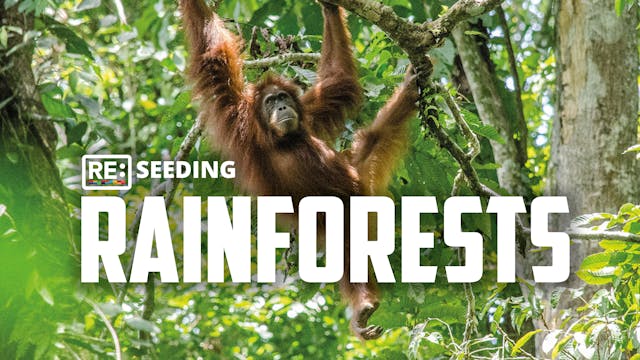
Reseeding Rainforests
Brazil's Xingu Park is the oldest indigenous territory in Brazil. Its 2.6 million hectares provide a home to 16 different tribes. The Rede de Sementes do Xingu brings together over 500 indigenous seed-collectors to gather and disperse native seeds, preserving the Amazon's essential biodiversity w...
-
Remapping Restoration
A collaboration between the Crowther Lab, ETH Zurich and Google, Restor is a mapping platform for the fast-growing global restoration movement.
Traditionally, detailed scientific data and resources have been difficult or expensive to access, with information spread across a mix of outlets and p...
-
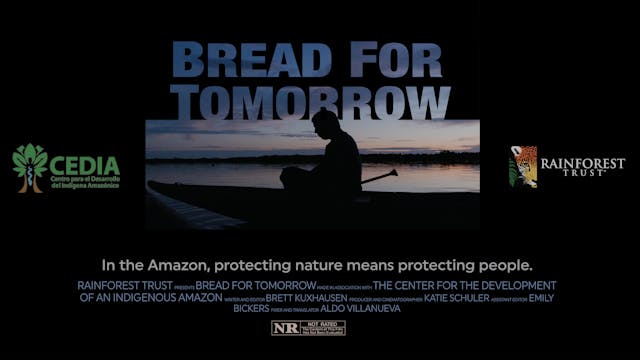
Bread For Tomorrow
Bread for Tomorrow is a short film about the Indigenous Wicungo community’s struggle to gain legal ownership of their ancestral territory in Peru and how Rainforest Trust’s partner, Center for the Development of an Indigenous Amazon, has helped them to reclaim the rights to their homes and liveli...